
Why a Sustainable Diet Beats the Trends
Ditch the illusion of quick-fix weight loss and discover the reality of true wellness. Learn how a structured daily routine filled with whole grains, lean proteins, healthy fats, and mindful daily essentials can permanently elevate your health without starving your body.
HEALTH
Muhammad Umaish
7/11/20263 min read
The Sugar Trap: Do "Sugar-Free" and "Diet" Foods Actually Keep You From Gaining Weight?
Every other person today is stressed about fitness and health. Whether the goal is losing weight or simply living a healthier lifestyle, our very first move is usually to banish sugar from the kitchen. However, the moment we step into a supermarket, our eyes are instantly drawn to attractive packaging boasting tags like "Diet Soda," "Sugar-Free Biscuits," "Zero-Calorie Juices," and "Low-Fat Yogurt."
We happily shell out extra money for these products, fully convinced that our weight loss journey is now on the fast track. But have you ever wondered why, despite consuming all these "diet" items, people still struggle to lose weight? Why are obesity and type 2 diabetes rates continuing to skyrocket?
Let’s unmask the clever marketing gimmicks and the actual science hidden behind "The Sugar Trap."
1. The Low-Fat Truth: Where Did the Taste Go?
When food companies strip the fat out of a product—like low-fat mayonnaise or low-fat yogurt—they also strip away its natural flavor and texture. The food ends up tasting bland, cardboard-like, and completely unappetizing.
Since no customer is going to buy tasteless food twice, companies have to fix it. To restore the creamy texture and palatability, they load the product with massive amounts of artificial sweeteners (chemical sugar), starches, and hidden sugars. Essentially, you might be avoiding fat, but you are handing your body a chemical and sugar bomb instead.
2. Artificial Sweeteners: Trickery of the Brain
Diet drinks and sugar-free snacks heavily rely on artificial sweeteners like Aspartame, Sucralose, or Saccharin. They boast zero calories, which sounds fantastic on paper, but they play a dangerous psychological game with your body:
The Insulin Spike: When you consume something sugar-free, your taste buds signal your brain that "something sweet has arrived." Your brain immediately triggers the release of insulin to manage the incoming sugar.
The Craving Monster: Because it was a chemical trick, no actual sugar (or real calories) ever enters the bloodstream. The released insulin has nothing to process, causing your blood sugar levels to crash. The result? Within a short time, you experience intense hunger pangs and severe sweet cravings.
The Psychological License: When we drink a "Diet Coke," our subconscious mind tells us, "Hey, I just saved a bunch of calories, so it's totally fine if I have an extra slice of pizza or a chocolate brownie." This guilt-free overeating is the real culprit behind unexpected weight gain.
3. Destroying the Gut: An Attack on "Good Bacteria"
Our gut is home to trillions of microorganisms collectively known as the gut microbiome. The "good bacteria" in this ecosystem are responsible for smooth digestion, strong immunity, and a well-functioning metabolism.
Modern nutritional research reveals that artificial sweeteners can significantly alter and damage these essential gut microbes. When your gut health is compromised, your body fails to process food efficiently, your metabolism slows down, and it begins to store fat much faster.
4. Deceptive Labels: The 50 Alternate Names of Hidden Sugar
Food brands know that modern consumers are smart enough to put a product back if they see the word "Sugar" listed high on the ingredient list. To counter this, they use alternative scientific or innocent-sounding names to hide the sugar. If you see these on your food labels, you are still consuming sugar:
High-Fructose Corn Syrup (HFCS): A cheap, highly processed liquid sweetener that goes straight to the liver and promotes fat storage.
Maltodextrin / Dextrose: These have a glycemic index even higher than regular table sugar, causing instant blood sugar spikes.
Agave Nectar / Cane Crystals: Consumers often buy these thinking they are healthier "natural" alternatives, but your body processes them exactly like regular sugar.
5. Reclaiming Your Health: Beyond the Marketing Illusion
Living a healthy lifestyle isn't as complicated as grocery brands make it seem. You can easily escape the loop by following a few fundamental rules:
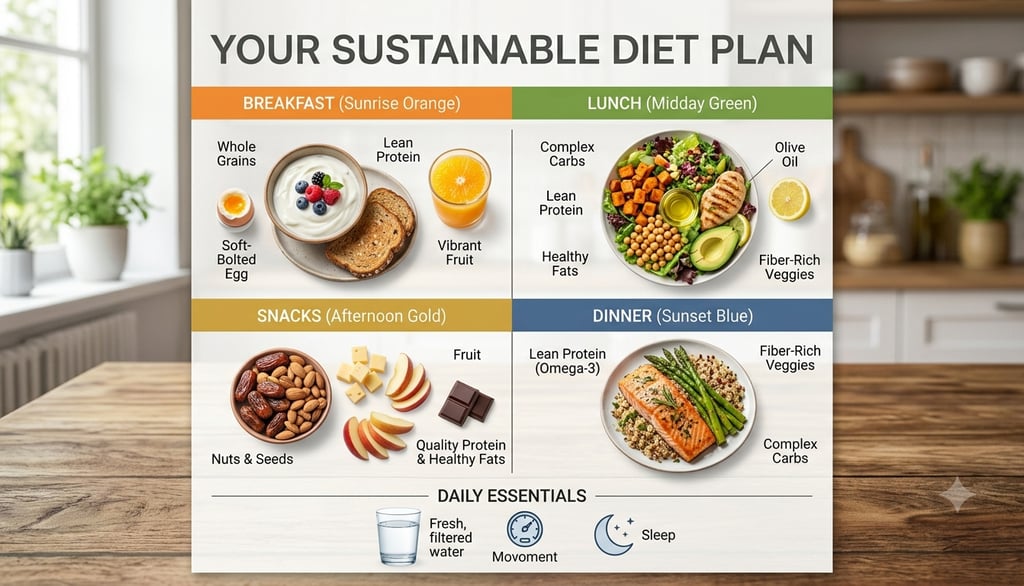
Return to Real Foods: Swap factory-processed "Diet Juices" for whole fruits. Whole fruits contain natural sugar bound with fiber, which slows down sugar absorption in the body and prevents insulin spikes.
Don't Fear Natural Fats: Natural fats found in Desi Ghee, organic butter, whole eggs, and nuts are vital for brain function and hormone production. Because they take longer to digest, they keep you full and satisfied for hours.
Choose Natural Alternatives: When your sweet tooth kicks in, satisfy it with whole foods like dates or a small piece of jaggery (gud). These choices provide natural sweetness without the chemical crash. Unlike refined sugars, these come packed with natural vitamins and minerals.
Conclusion
True dieting isn't about starving yourself or living off chemically altered "diet" products—it is about choosing real, unadulterated food. The secret to long-term fitness isn't found in heavily marketed diet packs, but in the simple, unprocessed ingredients you use at home. The next time you go grocery shopping, don't just look at the glamorous "Sugar-Free" stamp on the front—turn the box around and read the truth on the back!